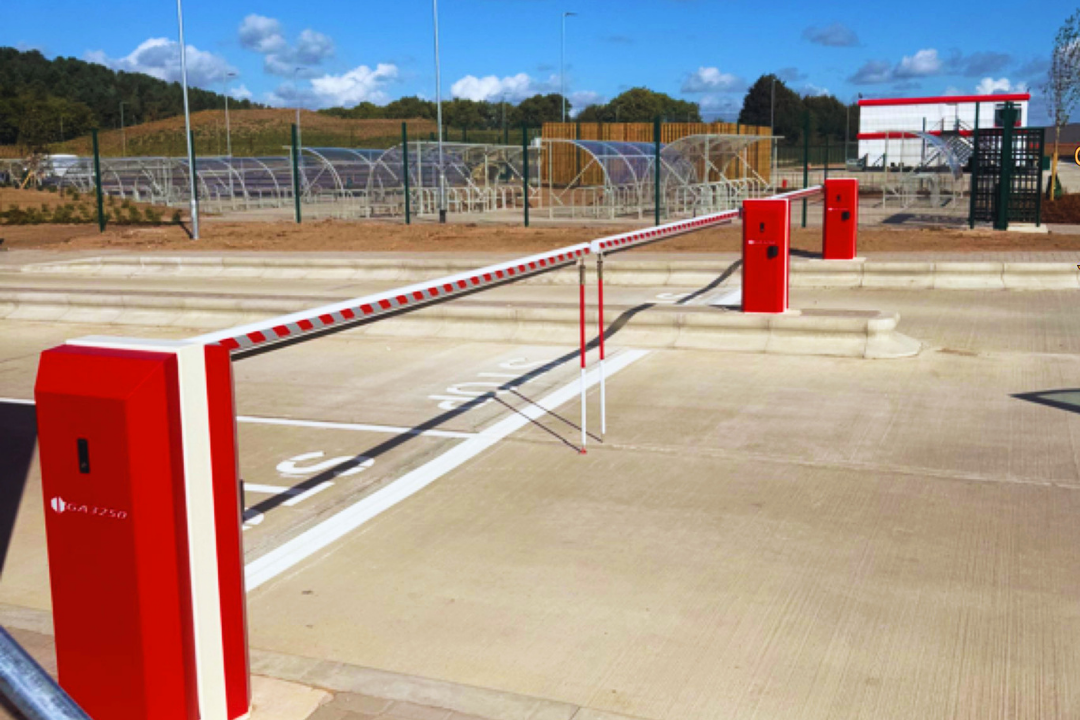
Automatic gates and barriers are designed to operate outdoors, but that does not mean they are unaffected by seasonal conditions.
During the summer months, equipment may be exposed to:
- Prolonged heat
- Direct sunlight
- Dust and dry debris
- Increased traffic
- Ground movement
- Electrical strain
- Storms following hot weather
- Insects
For busy sites, even a small fault can cause disruption. A barrier that fails during peak traffic, a gate that struggles to close, or an intercom that overheats can quickly create security and access issues.
That is why summer maintenance is just as important as winter preparation.
- Heat Can Affect Motors and Control Equipment
Automatic gates, barriers, and bollards rely on motors, control panels, wiring, and safety devices to operate correctly.
During hot weather, these components can be placed under additional strain, especially when equipment is exposed to direct sunlight for long periods.
Potential issues can include:
- Motors running hotter than usual
- Control panels becoming too warm
- Electrical components becoming less reliable
- Systems cutting out intermittently
- Reduced performance during high usage periods
This is particularly important for commercial sites where barriers and gates may operate hundreds of times per day.
A system that is already under strain due to age, poor maintenance, or heavy use is more likely to experience problems when temperatures rise.
- Increased Usage Can Lead to More Wear
Summer can often mean busier sites.
This may apply to:
- Schools before end-of-term activity
- Leisure facilities
- Holiday parks
- Golf clubs
- Public car parks
- Commercial sites
- Residential developments
More traffic means more gate and barrier cycles. Over time, this increases wear on moving parts, including:
- Motors
- Hinges
- Barrier arms
- Bearings
- Rollers
- Tracks
- Safety equipment
A barrier or gate that performs well under normal usage may begin to show signs of strain when demand increases.
Regular servicing helps identify wear before it turns into a breakdown.
- Direct Sunlight Can Affect Access Control Devices
Access control equipment is often installed outdoors, which means it can be exposed to strong sunlight for hours at a time.
This can affect equipment such as:
- Keypads
- Intercom panels
- Fob readers
- Card readers
- ANPR cameras
- GSM units
- Display screens
- Push buttons
Common hot weather issues can include difficult-to-read screens, overheating and intermittent faults.
In some cases, glare from sunlight can also affect cameras or screens, especially if devices are poorly positioned.
For ANPR systems, camera positioning and lighting conditions are particularly important. Bright sunlight, glare, shadows, and reflections can all affect how clearly a registration plate is captured.
- Dry Weather Can Increase Dust and Debris
During dry summer periods, dust, dirt, leaves, and debris can build up around gates and barriers.
This is especially common on:
- Construction sites
- Industrial estates
- Rural entrances
- Gravel roads
- Farm access routes
- Car parks
- Logistics sites
Dust and debris can interfere with moving parts, sensors, tracks, and safety equipment.
For sliding gates, debris in the track can prevent smooth movement and place extra strain on the motor. For barriers, dust and dirt can build up around the housing, mechanisms, and safety devices.
Keeping the area around the system clear is a simple but effective way to reduce the risk of faults.
- Ground Movement Can Affect Alignment
Long periods of hot and dry weather can cause ground conditions to change.
Depending on the site, dry ground may shrink, crack, or shift slightly. This can affect the alignment of gates, posts, foundations, and safety devices.
Signs of alignment issues may include:
- Gates rubbing or catching
- Barriers not sitting correctly
- Gates failing to close fully
- Unusual noises during operation
- Increased strain on motors
- Safety devices becoming misaligned
Even small changes in alignment can affect the long-term performance of a system.
If a gate or barrier starts operating differently during hot weather, it is best to have it checked before the issue becomes worse.
- Safety Devices Can Be Affected by Heat, Dust and Glare
Safety systems are essential for automatic gates and barriers.
These may include:
- Photocells
- Safety edges
- Radar detection
- Laser scanners
- Induction loops
In summer, these devices can be affected by dust, glare, insects, vegetation growth, or physical movement around the site.
For example, overgrown grass, hedges, or shrubs may obstruct safety beams. Dust may reduce sensor performance.
Safety devices should be tested regularly to make sure they are working as intended.
- Vegetation Growth Can Obstruct Gates and Sensors
Warm weather often brings fast vegetation growth.
Overgrown trees, hedges and grass can interfere with perimeter security systems by blocking:
- Gate movement
- Barrier arms
- Photocells
- Intercom visibility
- ANPR camera views
Keeping access points clear helps systems operate smoothly and supports better visibility across the site.
- Summer Storms Can Still Cause Problems
Hot weather can sometimes be followed by sudden heavy rain, thunderstorms, and high winds.
This can create issues such as:
- Power interruptions
- Water entering poorly sealed enclosures
- Lightning-related electrical faults
- Debris being blown into gates or barriers
- Drainage problems around equipment
Even in summer, weather protection and good installation practices are important.
Control cabinets, cabling, foundations, and drainage should all be checked as part of a proper maintenance routine.
Warning Signs to Look Out for in Hot Weather
If you manage a gate, barrier, or access control system, it is worth watching for early signs of a problem.
Common warning signs include:
- Slower movement than usual
- Unusual noises
- Gates or barriers stopping halfway
- Keypads or intercoms becoming unresponsive
- Barrier arms not opening or closing fully
- Visible damage to cables or equipment
- Equipment feeling excessively hot
- Gates catching, dragging, or becoming misaligned
If you notice any of these issues, arranging an inspection early can help prevent a more serious breakdown.
How to Protect Your Perimeter Security System During Summer
There are several simple steps that can help keep your system reliable through warmer weather.
Keep Equipment Clear
Make sure gate tracks, barrier housings, photocells, and access control devices are free from dirt, leaves, debris, and vegetation.
Check for Visible Damage
Look for signs of wear, loose components, damaged cables, or misaligned equipment.
Test Safety Features
Safety devices should be checked regularly to make sure they are working correctly.
Review Access Control Performance
If keypads, intercoms, fob readers, or ANPR systems are becoming unreliable, they may need cleaning, repositioning, servicing, or upgrading.
Arrange Preventative Maintenance
A professional service can identify early signs of wear and make sure the system is safe, compliant, and reliable.
Why Summer Servicing Is Important
Preventative maintenance is one of the best ways to reduce breakdowns.
A summer service may include:
- Checking gate and barrier operation
- Inspecting motors and control panels
- Testing safety devices
- Checking access control equipment
- Cleaning sensors and photocells
- Reviewing alignment
- Lubricating moving parts where required
- Checking foundations and fixings
- Identifying worn or damaged components
For commercial sites, regular servicing is especially important because a failed barrier or gate can affect security, traffic flow, and day-to-day operations.
Who Should Consider a Summer Perimeter Security Check?
A summer inspection is useful for any site with automated perimeter security equipment, but it is particularly important for:
- Schools and colleges
- Commercial premises
- Industrial estates
- Logistics sites
- Warehouses
- Car parks
- Residential developments
- Leisure facilities
- Golf clubs
- Public sector buildings
- Construction sites
If your system is heavily used, exposed to direct sunlight, or already showing signs of wear, a summer check is a sensible step.
Final Thoughts
Hot weather can have a real impact on perimeter security systems.
From overheating components and increased usage to dust, vegetation growth, ground movement, and sensor issues, summer conditions can create problems if systems are not properly maintained.
The good news is that many issues can be prevented with regular checks and planned servicing.
By keeping gates, barriers, bollards, and access control systems well maintained, businesses and property managers can reduce downtime, improve safety, and keep their sites secure throughout the summer.
Need a Summer Service or Perimeter Security Check?
At Gateway Automation, we install, service, repair, and maintain perimeter security systems across the UK.
Whether you need support with automatic gates, barriers, bollards, intercoms, ANPR, or access control systems, our team can help keep your site secure and running smoothly.
Get in touch today to arrange a service visit or speak to our team about your perimeter security requirements.