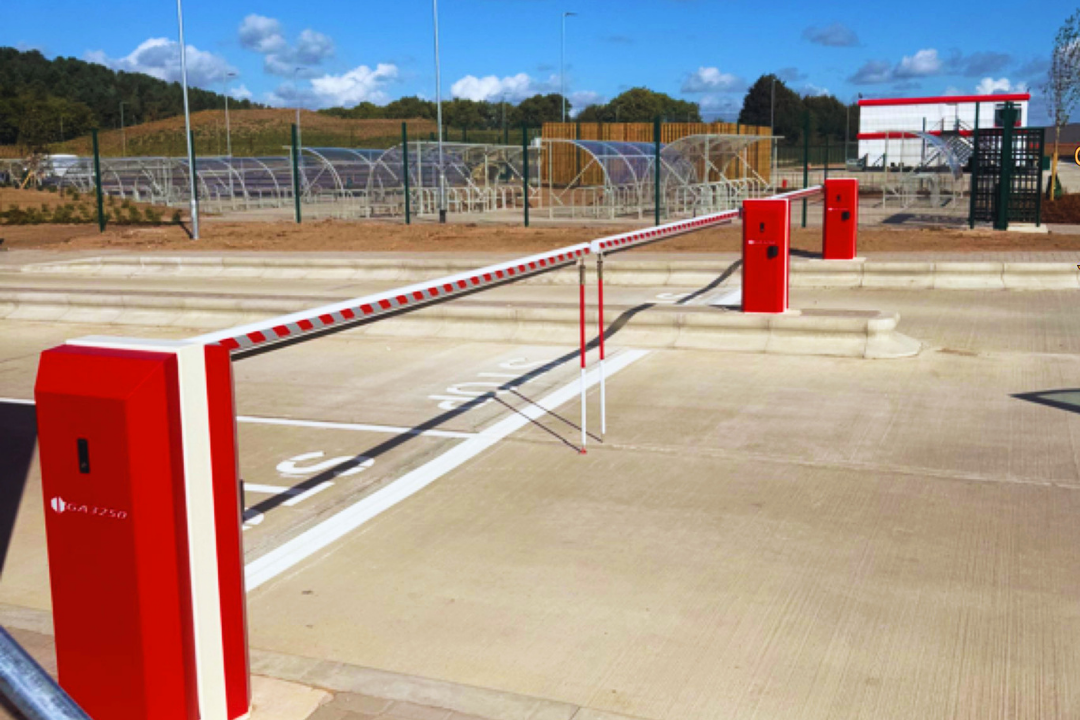
When it comes to securing your property, whether it is a business, school, or private estate, it is easy to get caught up in the look and strength of your gate. After all, that sleek sliding gate or impressive steel barrier looks like it means business. But here’s the real question: Is it safe?
Because gate safety isn’t optional. It is critical! A poorly installed or maintained gate doesn’t just put your property at risk, it can put people and people’s belongings at risk too! And nobody wants to be the one responsible for a condemned gate that should have kept people safe.
In this blog, we’re diving into why gate safety should be at the top of your checklist and what can happen if it isn’t.
What Does Gate Safety Actually Mean?
Great question! Gate safety refers to the protective measures and features put in place to ensure your gate doesn’t pose a hazard to people, vehicles, or property. This includes safety edges, photocells, warning signals, and compliance with legal safety standards.
Whether your gate is sliding, swinging, or bi-folding, safety features help prevent it from accidentally closing on someone or something. The aim? A safe, smooth operation with no unexpected mishaps.
The Real Risk: When Gates Aren’t Safe
Let’s not sugar-coat it. Gates, especially automated ones, can be dangerous when they’re not fitted with proper safety measures.
Here’s what can happen:
- Injury to pedestrians: A closing gate without safety edges or photocells can trap someone, causing serious harm.
- Vehicle damage: No one likes a gate crashing into their shiny car.
- Legal consequences: If your gate doesn’t meet safety regulations and causes injury, you could be held liable.
- Condemnation: A gate that fails a safety inspection can be condemned, meaning it must be switched off or removed until made complaint.
In short: no gate safety = big problems.
Why Legal Compliance Matters
Gate safety isn’t just a nice-to-have. It’s legal requirement under UK health and safety law. Automated gates are considered machinery, and they must comply with the Supply of Machinery (Safety) Regulations and be CE or UKCA marked.
Failing to comply can result in:
- Fines
- Legal action
- Forced removal of the gate
- Reputational damage
That’s right – your fancy new gate could be condemned if it’s not up to scratch.
Key Gate Safety Features You Need
If you’re wondering what actually makes a gate ‘safe’, here are some essential features to look out for:
- Safety Edges: these pressure-sensitive strips stop the gate if it comes into contact with an obstacle.
- Photocells: also known as safety beams, these detect movement and prevent the gate from closing on people or vehicles.
- Warning Lights and Sounders: let people know when the gate is in operation – especially important in busy or noisy environments.
- Manual Release: if the power fails, a manual override lets you open or close the gate safely.
- Speed Control: slow and steady wins the race – especially when it comes to avoiding collisions.
What Happens If My Gate Is Condemned?
If your gate fails a safety inspection, to can be condemned. This means it must be switched off immediately, and you won’t be allowed to operate it until all necessary safety upgrades are completed.
In the meantime, you’re left with:
- A security gap
- An inconvenience for staff or residents
- The cost of emergency repairs or replacement
Wouldn’t it be easier to just get it right the first time?
How to Keep Your Gate Safe and Compliant
Here’s how to avoid being on the wrong side of a safety inspection:
- Choose a professional installer: Always work with experienced installers who understand gate safety and legal requirements.
- Get your gate regularly serviced: Safety features can wear out or malfunction. Regular servicing ensures everything is working as it should.
- Don’t ignore unusual behaviour: Strange noises, jerky movements, or delayed responses could indicate a safety issue.
- Keep the area clear: Ensure the area around the gate is free from obstructions that could interfere with sensors or movement.
Gateway Automation: Expert in Gate Safety
At Gateway Automation, we take gate safety seriously (but we don’t take ourselves too seriously). Our team of nationwide engineers are experts in installing, maintaining, and servicing gates that are not just secure, but safe, compliant, and ready for anything.
We offer regular servicing packages to make sure your gate stays in tip-top condition and never faces the dreaded ‘condemned’ label. Whether it’s for a business, industrial site or school – we’ve got your gate covered.
Final Thoughts: Safety First, Always
Your gate is the first line of defence for your property, but only if it works safely. Don’t risk injury, liability, or the embarrassment of having your gate condemned because it’s not up to standard.
Instead, choose safety. Choose complete perimeter security. Choose Gateway Automation.